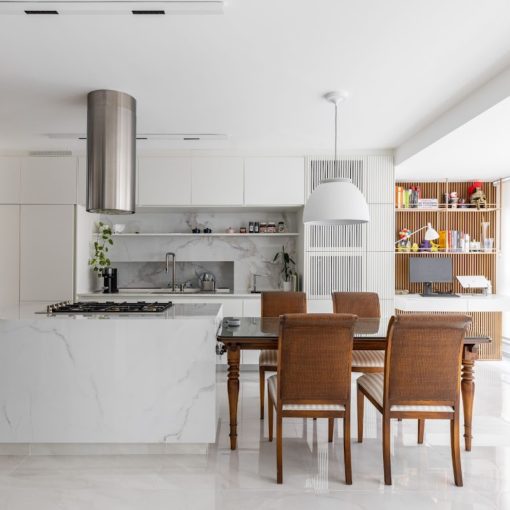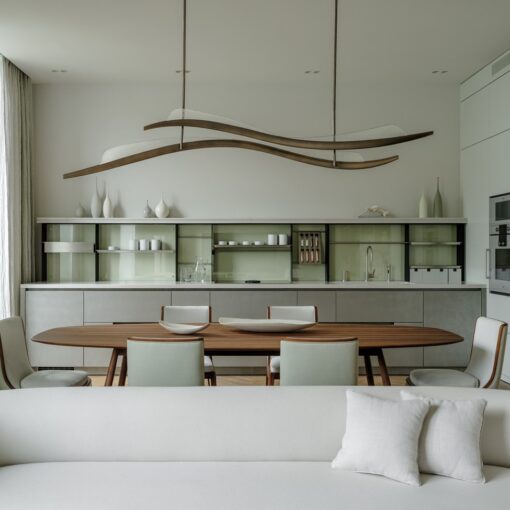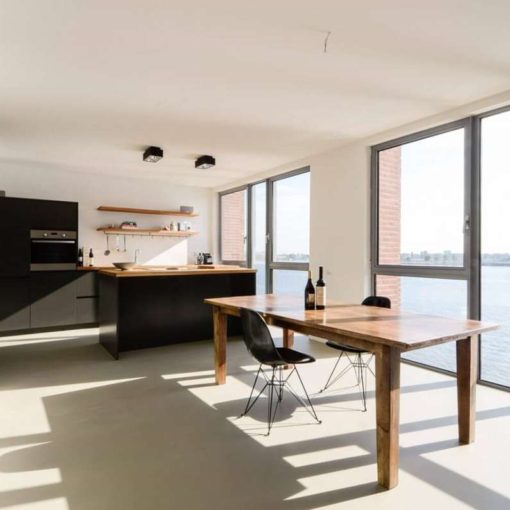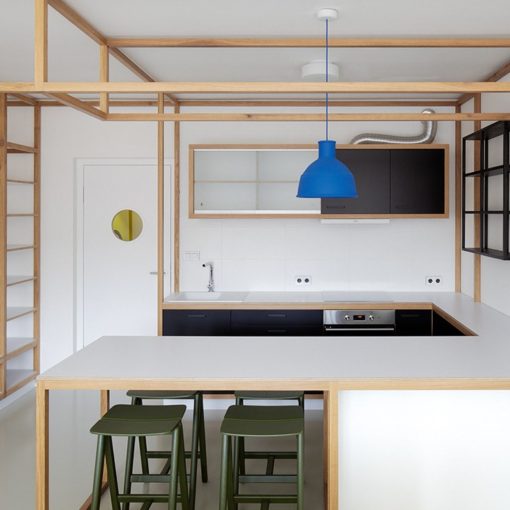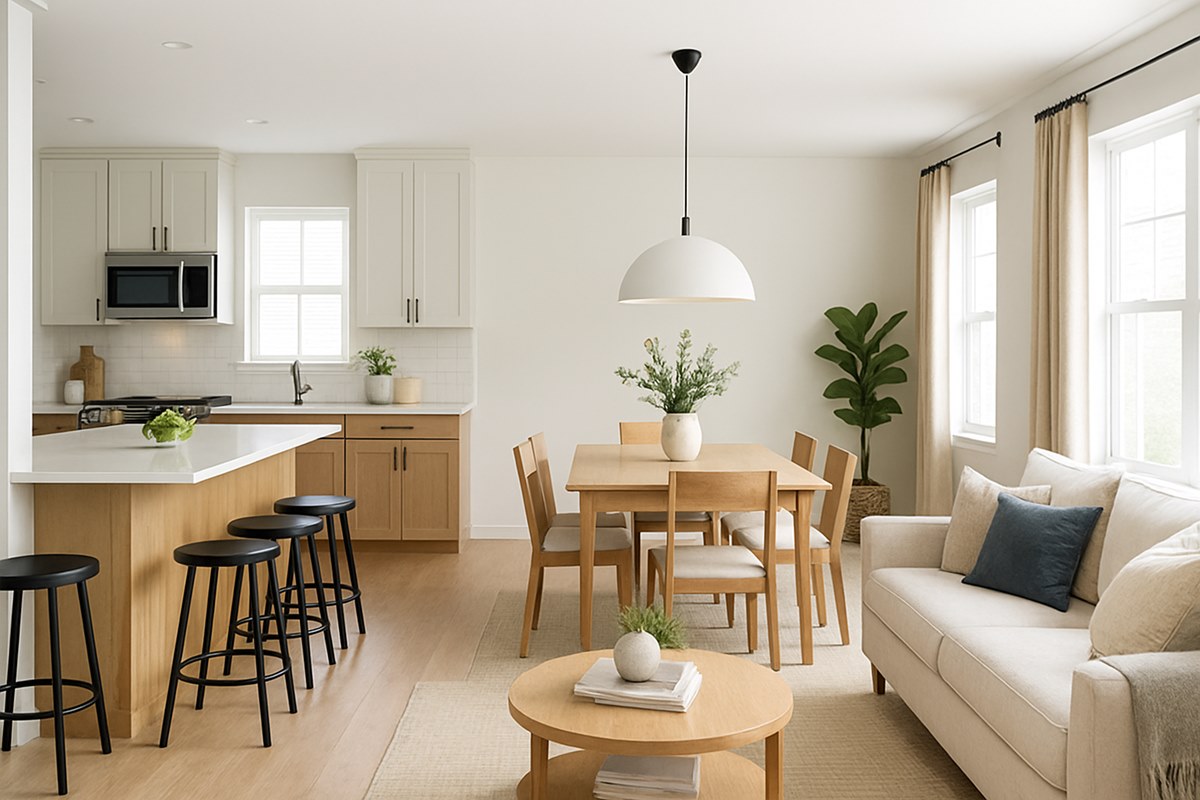
Open-concept living has become more than just a design trend. It’s a lifestyle choice. Blending your living room, kitchen, and dining area into one flowing, multi-functional space creates a sense of freedom, warmth, and connection that traditional layouts often lack. It’s about inviting light, conversation, and comfort into every corner of your home.
Whether you’re designing a new home or re-imagining an existing space, embracing an open plan can completely transform how you and your family live day to day. Let’s explore the deeper benefits, clever design strategies, and practical furniture placements that can help you make the most of this layout.
Why Open Plan Living Just Works
Connection in the Everyday
With an open layout, you no longer feel disconnected when preparing dinner or tidying up. You can keep an eye on the kids while they do homework at the dining table or chat with friends relaxing on the couch as you prep appetizers. It invites interaction without forcing anyone to be in the same seat at the same time.
Amplified Light and Air
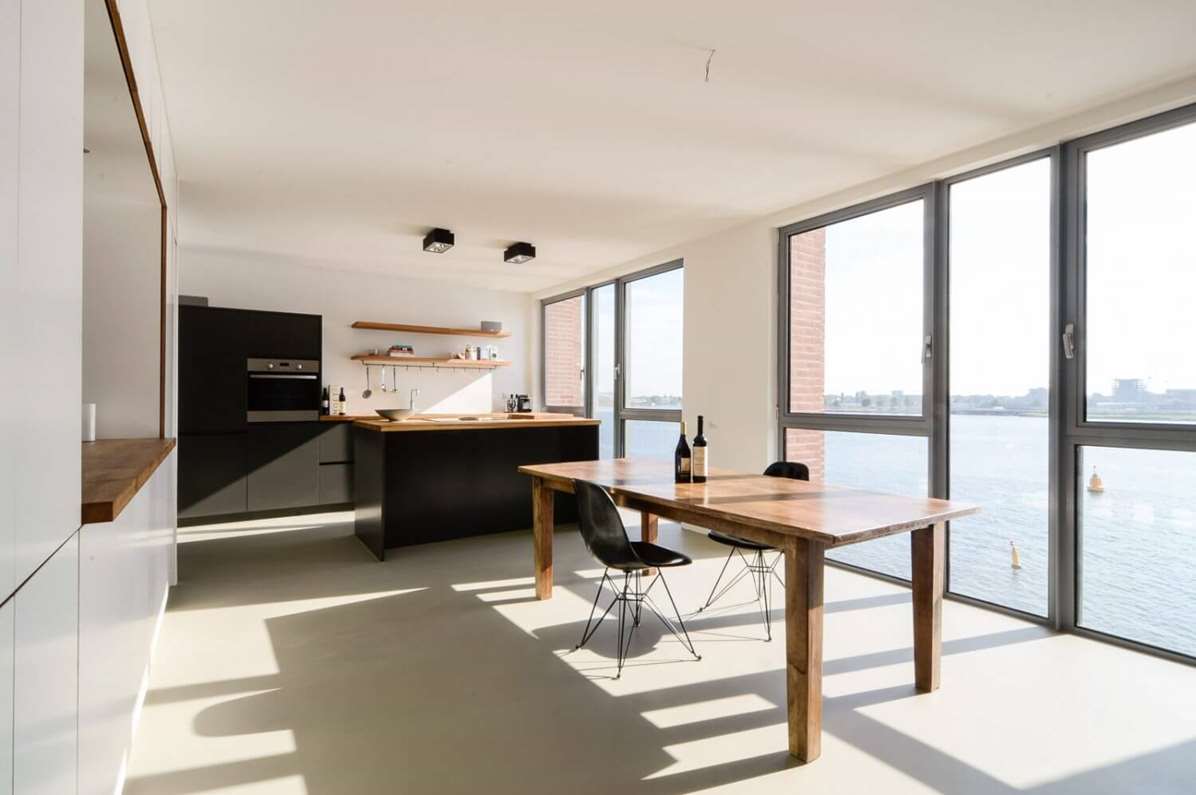
Breaking down walls allows sunlight to travel freely across your home. Even a small or narrow layout can feel expansive and bright. Windows that once only lit a single room now pour light into multiple zones, making the entire space feel calmer and more uplifting.
A Host’s Best Friend
If you love entertaining, this setup makes life easier. Imagine preparing drinks at the kitchen island while still being part of the living room conversation. The dining table becomes an extension of the kitchen, allowing you to serve, chat, and enjoy without dashing back and forth between closed rooms.
Designing an Open Space That Feels Organized and Comfortable
One of the biggest concerns with open layouts is that everything can feel too exposed or chaotic. But with a few intentional design moves, you can create distinct zones that feel purposeful, cozy, and easy to navigate.
Use Rugs to Define Areas
Rugs are one of the easiest ways to visually anchor different zones. A large area rug beneath your sofa and coffee table instantly creates a living room, while a smaller, washable rug under your dining table adds structure and protection. In the kitchen, consider a durable runner in front of the sink or stove to subtly mark the cooking zone.
Let Lighting Guide the Mood
Layered lighting not only brightens up the space but also helps divide it. A statement pendant or chandelier over the dining table draws the eye and sets a formal tone. Recessed lights in the kitchen provide focused task lighting, while warm lamps in the living area make it feel cozy and restful.
Consistent Yet Varied Color Schemes
Stick with a neutral base to create flow, then add personality through accent colors and materials. For example, you might carry a soft gray or warm beige throughout the walls and floors, then introduce navy blue cushions in the living area, matching bar stools at the kitchen island, and blue napkins or artwork near the dining table. These small touches tie everything together without overwhelming the space.
Practical Furniture Placement Tips
Create Natural Pathways
Open spaces can become awkward if there’s no clear flow. Arrange furniture to guide movement. Leave space around the dining table for chairs to slide out easily, or ensure there’s a walking path between the sofa and the kitchen island. A U-shaped sofa or sectional can subtly separate the living zone while still feeling open to everything else.
Use the Kitchen Island as a Divider
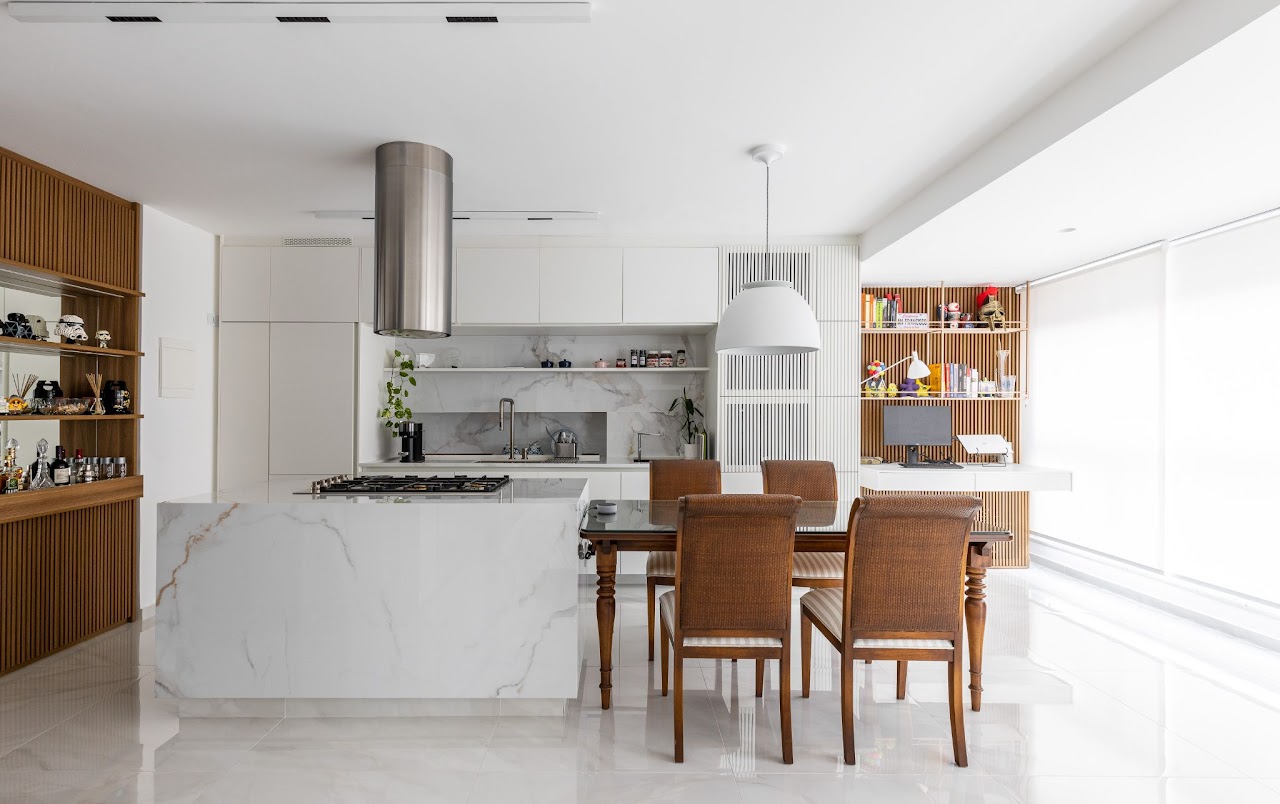
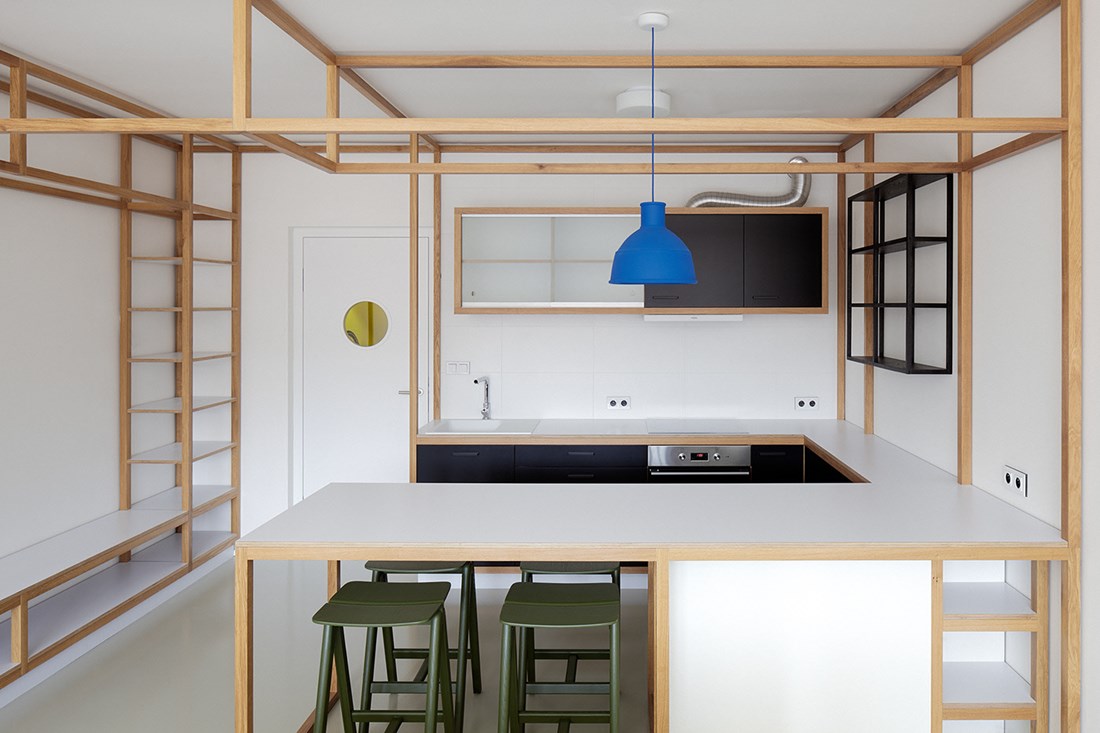
A kitchen island is one of the most functional and stylish elements in an open plan. It can serve as a natural divider between the kitchen and living area while offering extra prep space, storage, and seating. Add a couple of bar stools and it becomes an instant breakfast nook or conversation spot.
Flexible Dining Solutions
If space is tight, consider a dining table with extendable leaves or built-in storage. Benches can be tucked under when not in use, and round tables work well in open spaces because they allow easier circulation around them. Look for multipurpose pieces like a console table that doubles as a buffet or work desk when needed.
Anchor the Living Room
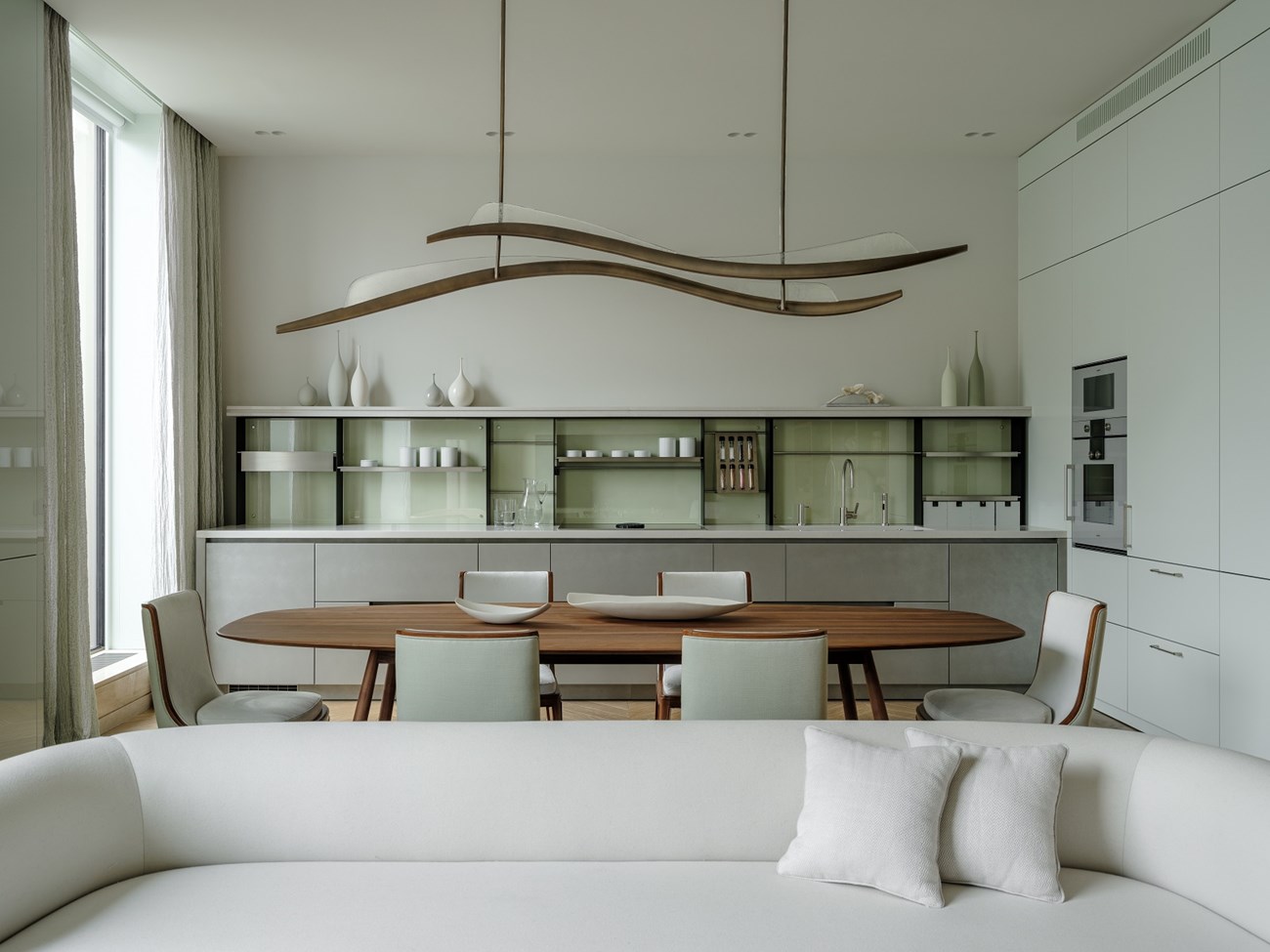
Choose a sofa that faces the rest of the room, especially if it backs onto the kitchen. Add a sideboard or low shelving unit behind it to create a soft division while offering storage and display space. Pair with a coffee table, accent chairs, and layered lighting to make it feel like a defined gathering spot.
Smart Design for Real-Life Living
Think Multipurpose
Open layouts thrive when each piece pulls double duty. A bench near the entryway with shoe storage. A side table that holds books and serves drinks. A coffee table that opens up to store toys or throws. These small tweaks keep your space tidy and efficient without sacrificing style.
Ventilation and Sound
Because smells and noise travel easily, invest in a quality range hood and consider adding soft textiles like curtains, rugs, and upholstered furniture to absorb sound. You can also get creative with room dividers like open shelving or sliding screens if you occasionally want a little separation without closing off the space.
Is an Open Layout Right for You?
No design is one-size-fits-all. Open plans offer flexibility, connection, and a beautiful sense of flow, but they also require a bit more effort to manage noise, clutter, and privacy. Think about how you use your home. Do you enjoy entertaining? Do you want to keep an eye on kids while cooking? Are you okay with seeing some dishes in the sink from the couch?
If the answers align with your lifestyle, you’ll likely find an open layout to be a joyful and rewarding choice. And if not, that’s okay too. Smart design is about adapting to your needs, not just following trends.
Final Thoughts: Design With Heart
At its best, an open living, kitchen, and dining area invites people in and makes them want to stay. It’s where breakfast blends into homework, where dinner turns into game night, where the light spills through from morning coffee to late-night talks.
You don’t need a massive space to make it work. With smart choices, creative furniture placement, and a bit of heart, you can craft a home that feels unified, uplifting, and deeply personal. Focus less on perfection and more on creating a space that supports your daily life. That’s where the real beauty lies.
Some links in this post may be affiliate links. If you make a purchase through one of these links, we may earn a small commission at no extra cost to you. We only recommend products we genuinely believe in and think you’ll find helpful.
Discover more from Home Design Folio
Subscribe to get the latest posts sent to your email.